What happened in Kisspeptin research?
Start with the clearest human findings. Then see when the effect faded and which questions remain open.
Which human findings were the clearest?
Blood tests showed a quick rise in a hormone that guides the ovaries or testes. Men and women with missing periods both had that rise.
During IVF, kisspeptin helped eggs mature without the worst grade of ovary swelling. That hopeful result doesn't make kisspeptin an approved treatment.
With steady use, later blood tests showed a smaller hormone rise. That loss of effect matters as much as your first result.
I'd ask whether the people studied shared your age, health, and reason for care. Ask what the study never measured for someone like you.
What did puberty teach doctors about Kisspeptin?
Doctors first learned this from people. Some were born without a working protein that lets brain cells respond to kisspeptin, so puberty didn't finish [1].
Kisspeptin couldn't start the next hormone step in those people. Mice without the same working protein also had trouble starting puberty.
Those findings showed that kisspeptin's message is needed for normal puberty. They didn't prove that extra kisspeptin treats every hormone problem.
Ask which hormone step your doctor thinks may not work for you. You can also ask which blood test might support that view.
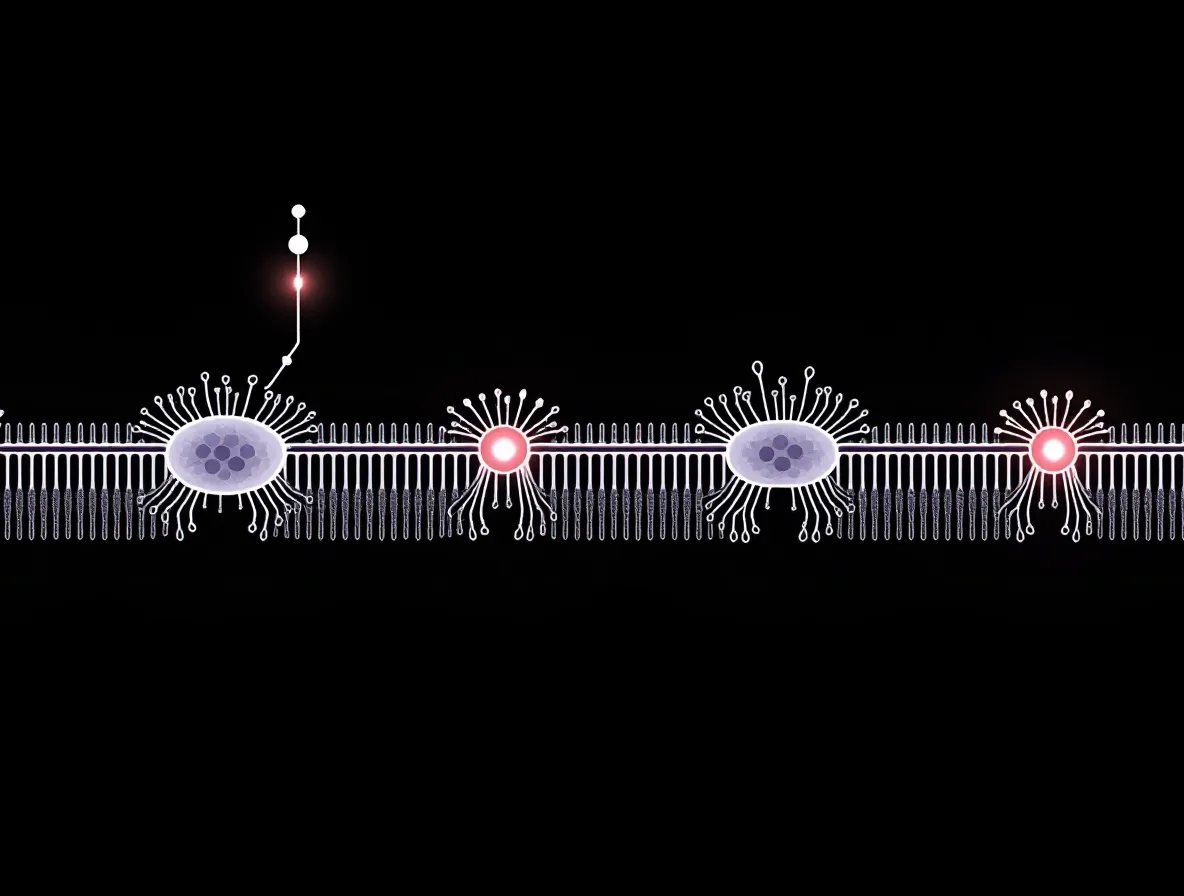
What did Kisspeptin change in cells kept in a dish?
Researchers put kisspeptin on brain cells kept in a dish. The mixture held 100 nanomoles in each liter; nanomoles are a lab unit for a very small amount, not an amount for a person.
The cells' charge moved by 6 millivolts, while tests varied by about 1 millivolt [2]. A millivolt is a tiny measure of the electricity a brain cell uses to send a message.
About 75% of the adult brain cells responded. They fired 87 percent more often, and results varied by 4% across tests [2].
Salt moving through the cell wall helped cause these changes [2]. None of this shows a benefit or danger for a person.
The brain-cell test happened in a dish. You'd ask how later studies checked the next hormone changes in people.
What did men's blood tests show after Kisspeptin?
In one study, healthy men received kisspeptin-10 through a vein. At 1 microgram for each kilogram of body weight, kisspeptin-10 raised one hormone within 30 minutes; that hormone controls testosterone production in the testes [3].
A steady drip used 4 micrograms for each kilogram each hour and raised testosterone too. That blood result can't tell you whether the men felt or gained a benefit.
A second team gave kisspeptin-54 through a vein for 90 minutes [8]. The paper called the amount 4 picomoles for each kilogram each minute; picomoles are a lab measure of a very small amount.
With kisspeptin-54, the same early hormone rose. The two forms gave much the same first change when their drips matched [9].
Ask your doctor what that blood change meant for your health. You can also ask how long the men were followed.
What happened in Kisspeptin fertility studies?
Women missing periods after stress, low weight, or hard exercise had more frequent hormone bursts during 8 hours with kisspeptin-54 [4]. Those bursts were blood-test changes; the study didn't show that periods returned.
The highest test amount worked less well, so more wasn't better. A Phase 2 trial then followed 60 women at high risk of severe ovary swelling during IVF.
Doctors checked egg growth and safety closely for each woman. Kisspeptin-54 helped eggs mature in 95%, and none had the worst swelling [5].
Live births reached 62% in one test group. The paper didn't fairly compare that figure with ordinary IVF care, so it can't show kisspeptin was better.
Another study followed 50 women with no known cause for trouble becoming pregnant. Kisspeptin in the fluid by their eggs rose while the eggs matured [13].
The rise happened at the same time; it doesn't prove kisspeptin caused the eggs to mature. I'd ask whether that blood finding could guide any part of your care.
Cost and extra visits matter to you. These studies don't settle either one.
What did the newest Kisspeptin studies add?
A 2025 study gave kisspeptin-54 as a nose spray. A hormone tied to egg release and testosterone rose quickly in men and women, including women with missing periods [6].
The study reported no unwanted events during its short watch. The spray stayed usable for 60 days at 4 degrees celsius, about refrigerator temperature.
A separate 2025 review counted 29 trials on puberty, periods, fertility, birth, and breast-feeding [7]. The review still found no approved kisspeptin product.
Stress, low weight, and hard exercise can quiet the hormones that guide periods [14]. Doctors also compared those women with women who had polycystic ovary syndrome, another cause of irregular periods [15].
They were asking whether blood tests could tell the two causes apart. They weren't testing kisspeptin as a treatment for either one.
A nose spray may be easier than a shot, but ease doesn't make it safer or better for you; ask how much clinic time, testing, and cost you might face. Ask before you count on the easier route.